The case for rollover protective structures (ROPS)
When Cindy and Jay VanderWeele became parents, they wanted their children to experience all the good things associated with a farm upbringing, such as work ethic, responsibility, caring for animals and love of the land.
An older couple from church offered to sell the VanderWeeles their 40-acre farm so that they could watch Cindy and Jay’s children enjoy country life like their children had. The VanderWeeles moved onto the farm and rented out the tillable acreage.
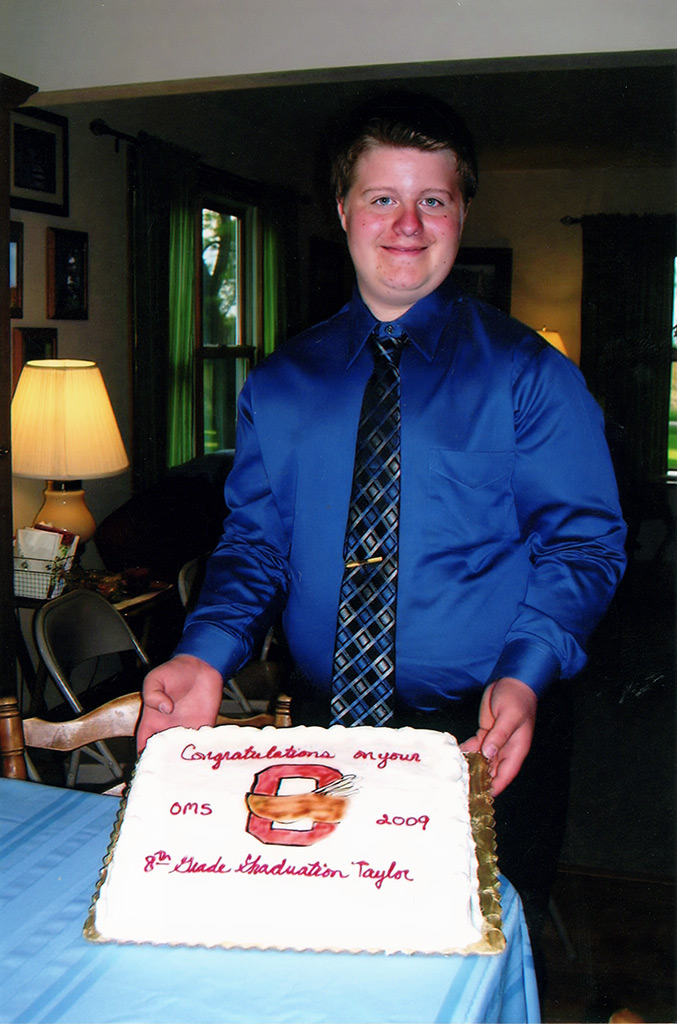
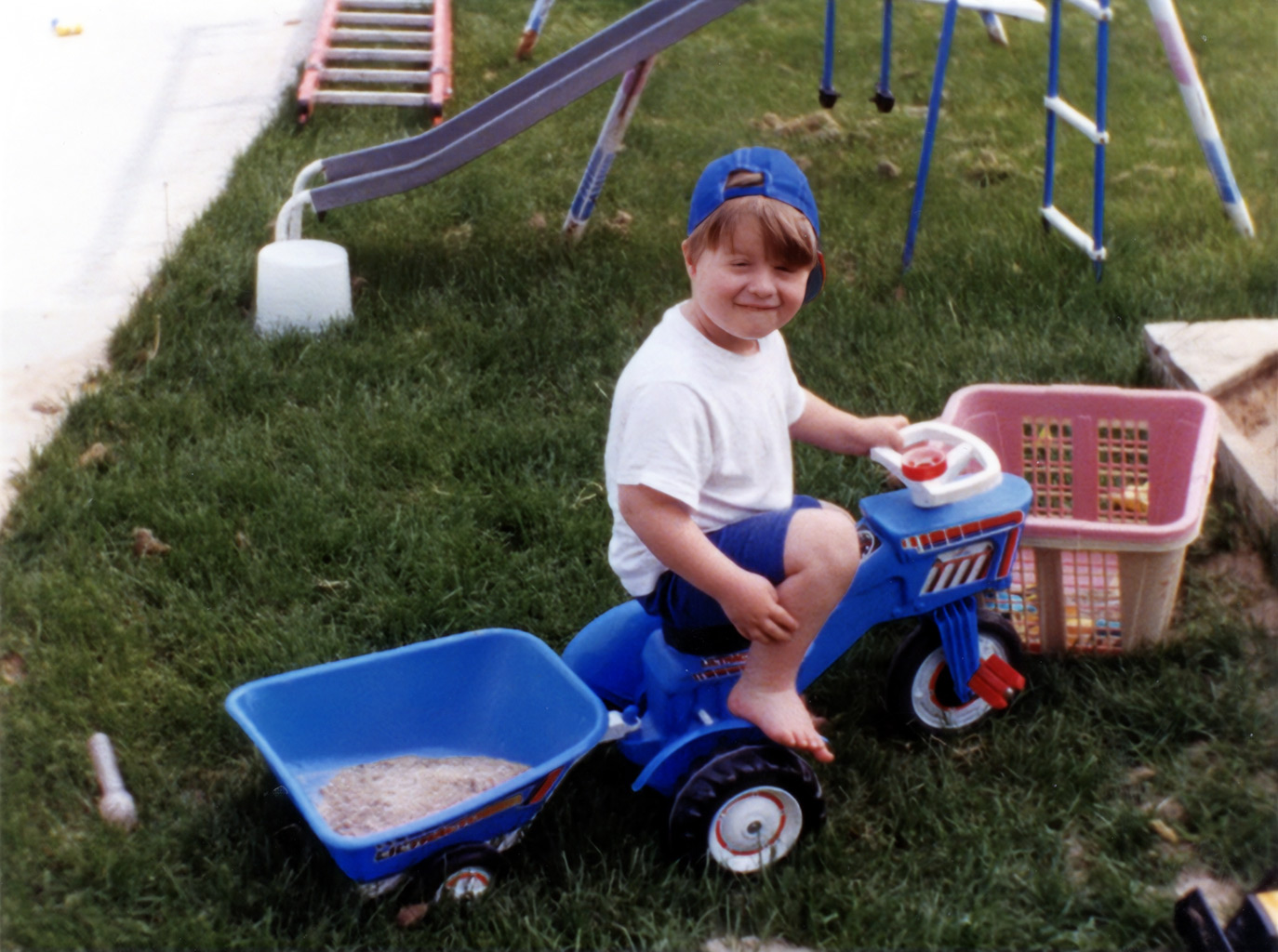
“Our three children thrived on the farm, especially our middle son, Taylor,” Cindy said. “From an early age, he loved tractors. We thought he might have a career in agriculture someday.”
Cindy, a retired public health nurse who grew up on a nearby dairy farm, and Jay, a retired volunteer firefighter, are safety-minded parents who made sure that Taylor completed the Wisconsin Tractor Safety Course when he turned 14.
“He was so excited when he passed the course, because that meant he could work for the two farmers who rented our land,” Cindy said. “As soon as school let out, he started driving tractor for them. One of the farmers, Gary, had been a Tractor Safety Course instructor and felt comfortable with Taylor driving after seeing his skills. Taylor was one of those kids who wanted to do everything correctly.”
On June 24, 2009, a few weeks after his eighth-grade graduation, Taylor was hauling loads of chopped hay from the VanderWeeles’ field to the farm of Gary and Ralph Scholten, eight miles away. Taylor drove a cab-less 1965 John Deere Model 4020 with a narrow front end, pulling a Forage King A-18-9 wagon. The tractor lacked a rollover protective structure (ROPS), which did not become standard on tractors manufactured in the United States until 1985. A ROPS refers to an operator compartment structure (usually a cab or rollbar) intended to protect operators from injuries caused by overturns or rollovers.
Late that afternoon on Clearview Road, during the hottest part of the day, Jay pulled up and handed his son a red-and-white insulated jug filled with cold water. Taylor clipped the jug to the fender of the tractor, “shifted into gear, smiled from ear-to-ear, and off he went,” Jay said.
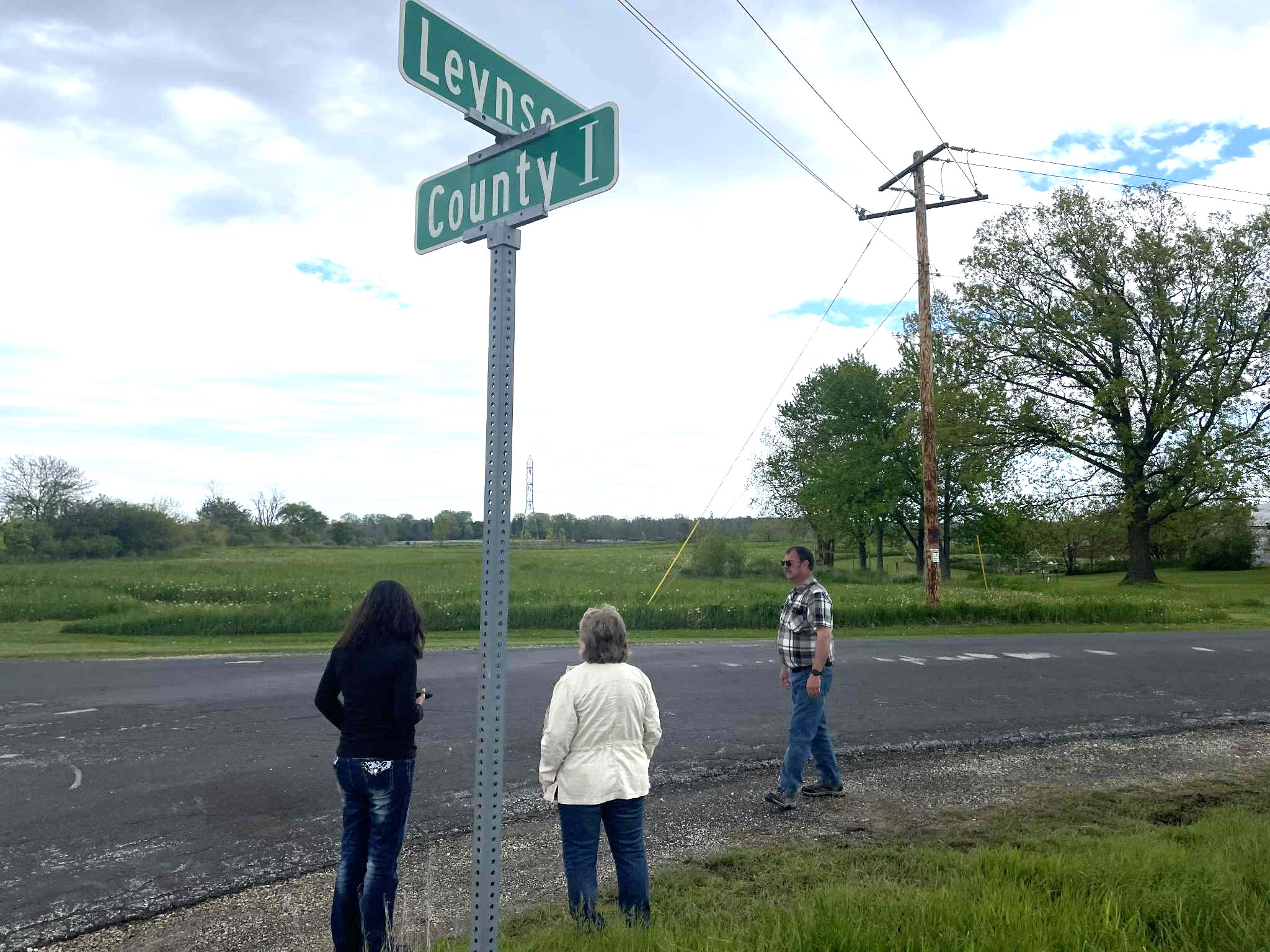
Shortly thereafter, Jay heard the call over EMS radio reporting a tractor rollover near the intersection of Sheboygan County Highway I and Leynse Road. Jay was among the first on the scene.
“That vision of Jay seeing Taylor pinned under the tractor lives with us every day,” Cindy said.
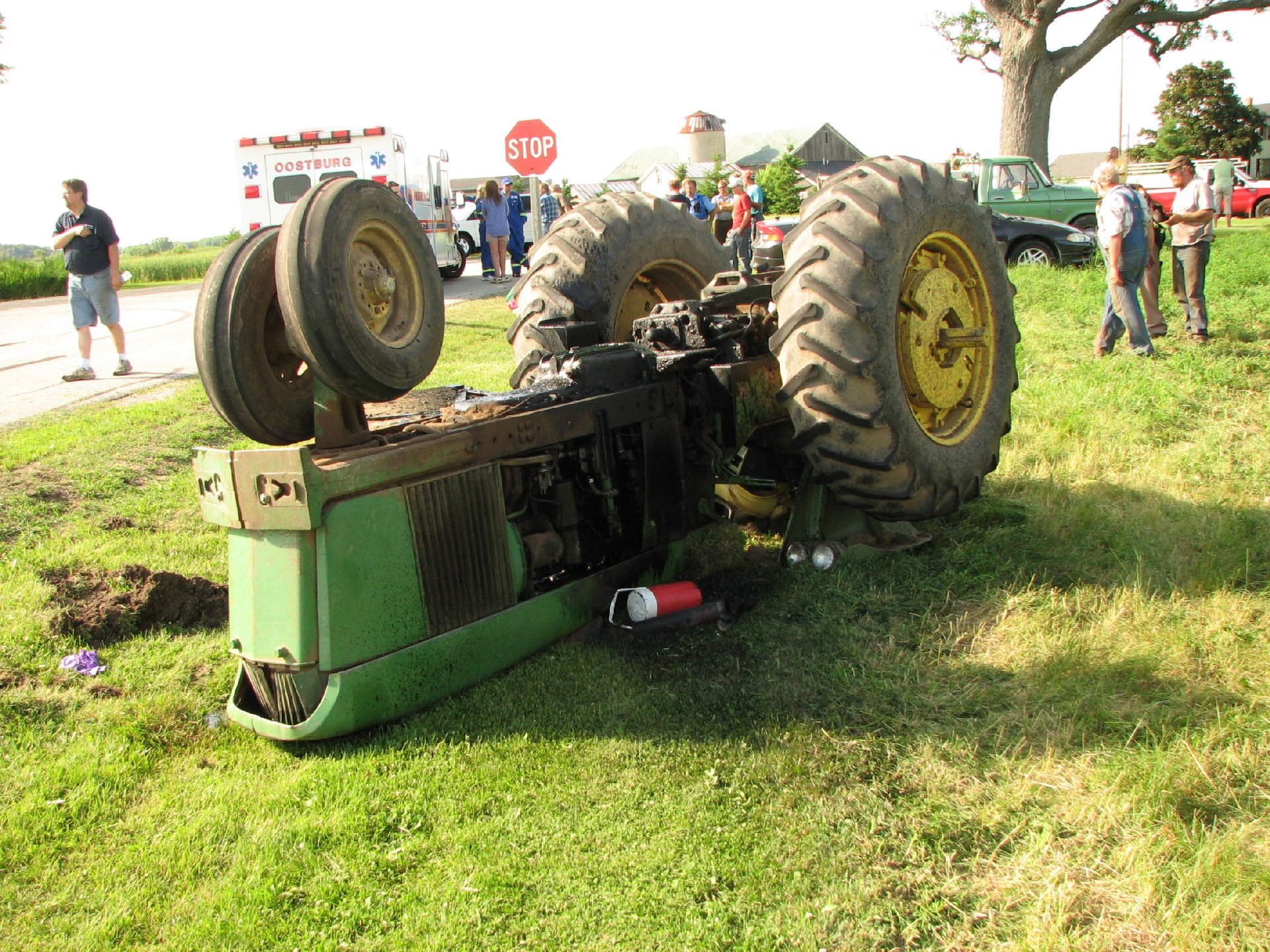
Oostburg Rescue and the Waldo Fire Department, Jay’s department, responded. They immediately called Flight for Life, per their training. But Taylor was pronounced dead under the tractor. The helicopter arrived on scene, circled twice, and departed.
While Taylor might not have been going fast in terms of miles per hour, crash scene investigators said speed appeared to be a factor. Yaw marks made by the front (steering) tires were visible on the pavement to the edge of the shallow ditch, where the tractor rolled to a rest. Such marks would be consistent with Taylor turning the steering wheel hard. Exacerbating matters was the weight of the loaded wagon behind him, and the fact that turning onto Leynse Road off of County I eastbound required a turn sharper than the typical 90 degrees.
Leading cause of death in agriculture
The tractor is the most common and essential vehicle on American farms, and also the most dangerous. Tractor incidents are the leading cause of traumatic death to farmers, according to the National Institute for Occupational Safety and Health (NIOSH). Rollovers account for the majority of those fatalities. An estimated 100 tractor rollover fatalities occur per year. Due to underreporting, the true number is likely higher.
Although Taylor had completed the required tractor safety course, such education is more effective in preventing injury when paired with an engineering solution, said Aaron Yoder, Ph.D., associate professor, biological systems engineering, University of Nebraska Lincoln. “When we train high school students to drive cars, we know they’ll be driving vehicles with air bags and seat belts engineered in,” Yoder said. “A ROPS and seat belt on a tractor provide that same layer of safety in case the unexpected happens.”
Taylor
Taylor loved doing farm work and working with his hands.
“He enjoyed riding along with other farmers working in the fields near our farm,” Cindy said. “He liked taking care of farm animals, repairing equipment and building projects with Jay. He was in 4-H, involved in the (family) dairy, woodworking and small engine projects. He drove our tractor at home before starting to work for the farmers who rented our land.”
Taylor played clarinet and wrestled at Oostburg Middle School, earning the “most-improved” wrestler award. Classroom work, though, didn’t come easy for Taylor. A learning disability made reading difficult.
“He could remember things really well,” Cindy said. “Even when he was young, he could remember directions. I could take him somewhere once, and he would remember the directions to get there. He could remember how to change the oil filter on the tractor. He remembered things that we talked to him about or showed him. But if he had to read, he had trouble with that. When he was in school, they were just learning about children with learning disabilities and didn’t have the testing and support they have now.”
Taylor enjoyed the “Hank Zipzer” series of children’s books, which tell the fictional story of a dyslexic child.
“They’re just funny, silly stuff and the situations kids get into because they have a learning disability,” Cindy said. “Taylor could relate to those.”
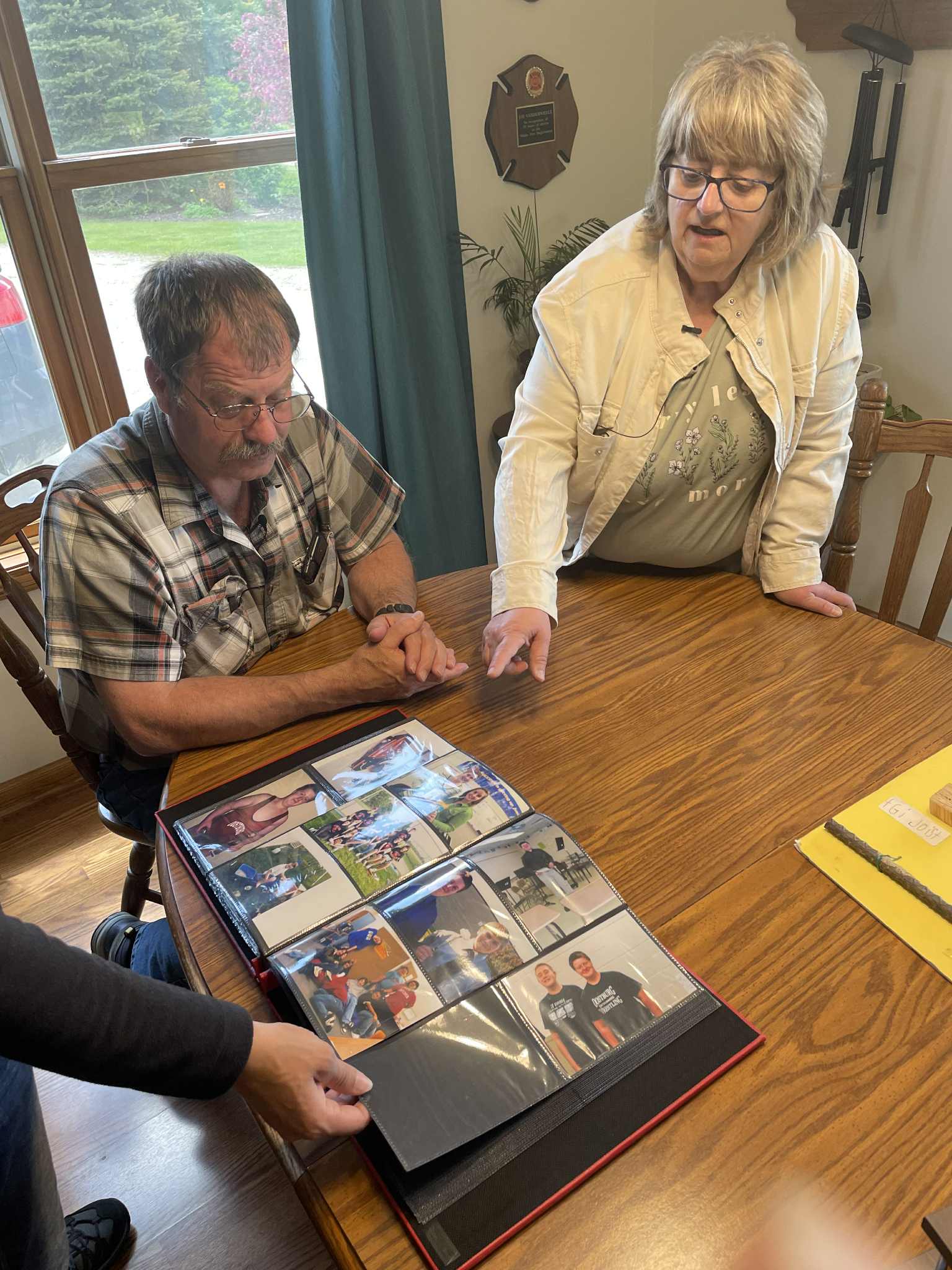
As Cindy talked, she and Jay thumbed through scrapbooks, photos and other keepsakes spread out on the dining room table. The mementos show an active young man who loved serving others in the community: cooking at the Waldo Fire Department Brat Fry; snowplowing with Jay; attending Saturday night races; showing cattle at the Sheboygan County Fair.
Taylor’s tractor safety course workbook sat among the items. “He took the test by himself and passed, and he was so proud,” Cindy said. “He took the course very seriously because he always wanted to do things right. He wanted to do what everybody else did. With farming, he could be himself. He could be like every other kid.”
Aftermath
Ralph Scholten owns the tractor involved in the rollover. He and his late brother Gary, a 4-H leader who taught tractor safety, hired Taylor to pull forage wagons that day.
Ralph’s birthday is an annual reminder of Taylor’s passing. Both events occurred on June 24.
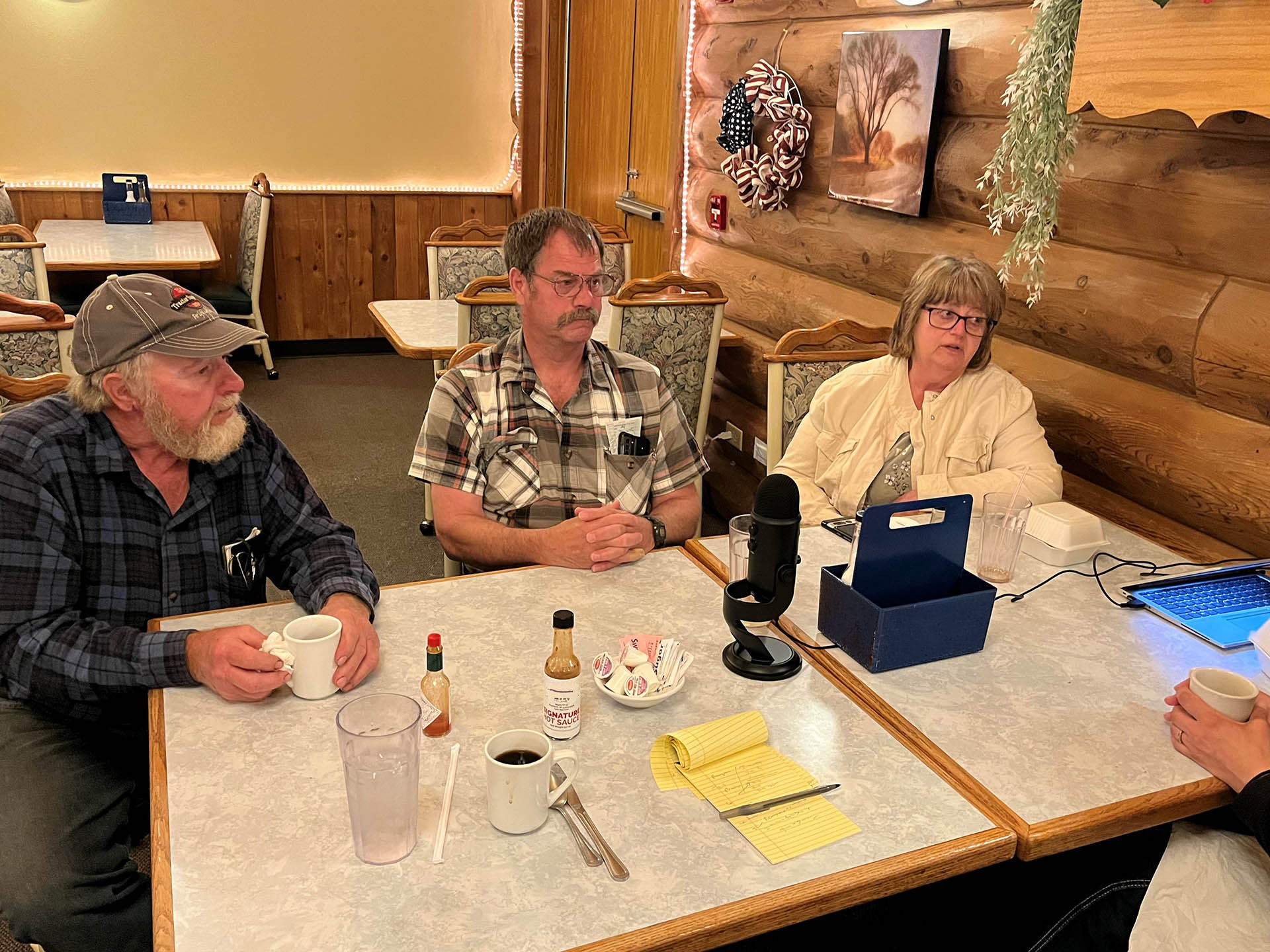
“I have to admit, I kind of laid low for a year after that,” said Ralph, sharing breakfast with Cindy and Jay at a local restaurant, recounting the incident. “It’s hard to know how to handle it. You don’t know what people’s reactions will be. It takes time to open up about these things.”
Cindy and Jay expressed empathy for Ralph. They all share a tragedy.
“Ralph and his brother Gary were very safety-conscious people,” Cindy said. “They had good hearts and would not have knowingly put Taylor in danger.”
Advocacy
A (ROPS) almost certainly would have saved Taylor’s life. When used with a seatbelt, a ROPS is 99 percent effective in preventing injury or death in the event of an overturn. Approximately half the tractors in Wisconsin do not have this protection, a percentage on par with national numbers.
It is possible to retrofit many of these old tractors with ROPS. But retrofits typically range from $1,500 to $2,500, and costs can be prohibitive, especially when a farmer owns several tractors.
The National ROPS Rebate Program has helped offset costs for retrofits, but the program is active in only a few states. More than 360 tractors were retrofit in Wisconsin, the VanderWeeles’ state, from 2013 until 2025 under a donor-funded program run by the National Farm Medicine Center, Marshfield Clinic Research Institute. But funds have mostly dried up.
The VanderWeeles want to focus attention on agricultural injury prevention, especially older tractors.
“We’re sharing Taylor’s story to give it a purpose, to prevent other rollovers and injury events,” Cindy said. “We’re asking state legislatures to support and prioritize adequate funding for ROPS rebate programs so that farmers such as Ralph and Gary can afford to retrofit their tractors with ROPS, for their safety and the safety of anyone who uses their tractors.
“We want to do everything we can so that other parents, siblings, spouses and farm owners do not have to live our experience. This is a simple prevention effort that can eliminate the leading cause of death for agricultural workers.”
National ROPS Rebate Program
Farmers can visit https://www.ropsr4u.org/ or call (877) ROPS-R4U – (877) 767-7748 to apply for a rebate towards retrofitting their tractor with a rollover protective structure. Click on a state and information will appear regarding available funding. Most states currently don’t have funding; some, like Wisconsin, have waiting lists. At the very least, farmers can find out if there is a compatible rollbar for the tractor model in question.
More tractor safety resources
Multiple aspects of tractor safety are included in the Agricultural Youth Work Guidelines (AYWG). The guidelines are designed to help adults assess a youth’s abilities to safely perform a task and assign age and ability-appropriate tasks to youth working in agriculture, helping to prevent injuries and fatalities.
For hired youth, adults can use the Agricultural Youth Work Guidelines in tandem with the Hired Agricultural Youth Work Guidelines (HAYWG). HAYWG are designed to help educate farm employers and supervisors on topics pertinent to hired youth, including guidance for training and supervising young workers, information on federal child labor regulations, access to state child labor laws, and guidance on supervising common tasks.
 Next Post